PHOTO GALLERY
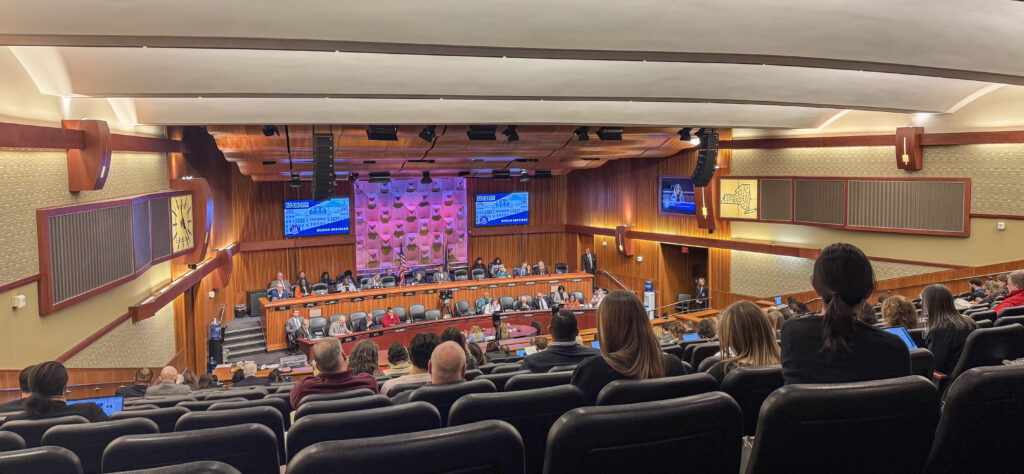
ALBANY – Advocates from across New York State, including multiple representatives from the Homeless Alliance of Western New York, gathered at the State Capitol on Thursday for the Supportive Housing Network of New York’s 2026 State Lobby Day to advocate for budgetary and legislative priorities to advance supportive housing.
The day created an opportunity for both housing and homelessness advocates as well as supportive housing tenants to speak directly with lawmakers about the urgent need for supportive housing and related services in their communities as state budget negotiations are underway.
With the threat of potential federal funding cuts looming, advocates called for a 4 percent increase to the New York State Supportive Housing Program. While a hard-fought increase last year marked an important step forward, advocates noted it followed years of disinvestment and falls short of the $62.1 million funding level the Supportive Housing Network of New York says is needed to meet current realities.
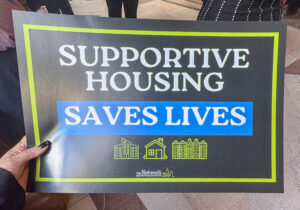 Advocates also called for an increase for the Homeless Housing Assistance Program, a New York State capital funding program that helps create and preserve housing for people experiencing homelessness. HHAP provides one-time capital funding to build new housing, acquire and rehabilitate existing buildings, convert non-residential properties into housing and preserve existing supportive and emergency housing.
The final policy ask was for New York State to cover inflation-related increases in wages and program operations called a Targeted Inflationary Increase (TII) on all State human service contracts. A TII is critical for human service providers to pay staff liveable, dignified wages.
The TII is critical due to the high level of skill needed for this work. Our most vulnerable neighbors experiencing homelessness are often also experiencing challenges like physical disabilities, serious and persistent mental illness, fleeing domestic violence and/or other crises. The average salary for core nonprofit human service workers in 2023 was just $36,688 or nearly $15,000 below the Census Bureau estimates for median annual earnings for individuals.
These wages often leave workers struggling to meet their own basic needs. Given the mentally and emotionally demanding nature of this work, dignified pay is not optional. It is essential for the long-term success of all programs.
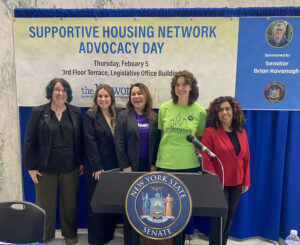
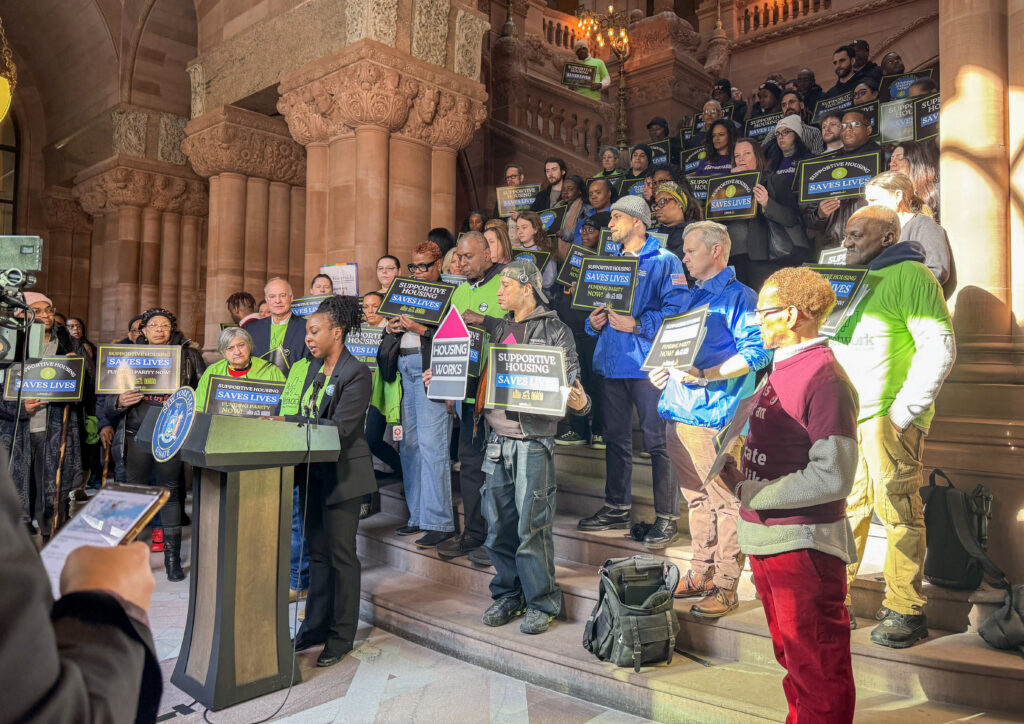
Throughout the day, participants met with legislators and their staff to discuss policy priorities, funding, and why supportive housing is a crucial component to ending the homelessness crisis. The event was highlighted by a press conference and rally that brought the issue right to the Million Dollar steps at our States’ Capitol.
In addition, Ashley Matrassi, Director of CoC Programs at the Homeless Alliance, spoke at a state-wide panel briefing to lawmakers and advocates:
“I had the privilege of sitting on a panel specifically discussing the Continuum of Care (CoC) program,” Matrassi said. “These critical federal funds provide housing to approximately 14,000 households across New York and more than $326 million in assistance statewide.”
“As federal directives rapidly shift and litigation continues, we are facing real-time questions about how to sustain permanent supportive housing and support our homelessness response systems,” she added. “I spoke about the day-to-day impact of this instability, shrinking planning timelines, changing priorities, evolving expectations, expiring contracts, providers questioning long-term commitments, and community members caught in the middle of policy changes.”
Also in attendance was Tracy Schmidt, Director of Community Impact, representing the Homeless Alliance and communities across Western New York.
“I had the privilege of meeting with staffers from Senator Patrick Gallivan’s and Senator George Borello’s offices to speak directly to the chaos we have been experiencing at the federal level and why New York State supportive housing programs are more critical than ever,” Schmidt said.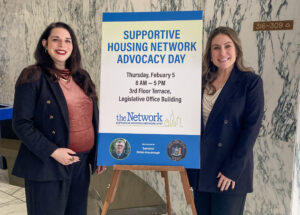
“At the end of the day we all want the same thing: for the most vulnerable in our community to live safe, dignified lives and for our communities to be thriving,” Schmidt added. “We have the people, the will, and the passion to bring this to fruition, we just need the continued funding and policies to allow us to do this work. Western New York reached functional zero for Veteran homelessness nearly 10 years ago. When we have the resources, there is nothing we cannot accomplish.”
Advocates left the Capitol united around a simple message: sustained investment in supportive housing is essential to addressing homelessness and ensuring communities across New York State remain strong, stable, and inclusive.
“Despite this uncertainty, CoCs are not standing still,” Matrassi concluded. “Across the country, Continuums are adapting in real time. We are building contingency plans, communicating transparently even when the answer is “we don’t know yet,” and leaning more heavily on collaboration, data, and coordination as stabilizing forces.”
“The work continues not because conditions are ideal, but because OUR mission demands it. Housing is a human right — not a privilege.”